Virtual interior design services transport us into a world where creativity meets technology, offering a unique perspective on transforming living spaces. As we delve into this realm, we uncover the intricate dance between innovation and personalization that defines modern interior design.
From virtual mood boards to interactive design proposals, the evolution of these services has revolutionized the way we conceptualize and bring to life our dream spaces.
Virtual interior design services refer to the practice of designing and decorating interior spaces remotely using digital tools and technology. This innovative approach allows clients to work with designers from anywhere in the world, making the design process more convenient and accessible.
There are several benefits to using virtual interior design services. Firstly, it provides clients with a wider range of design options and styles to choose from, as they are not limited to local designers or resources. Additionally, virtual interior design services are often more cost-effective, as they eliminate the need for in-person meetings and site visits, reducing travel expenses and other associated costs.
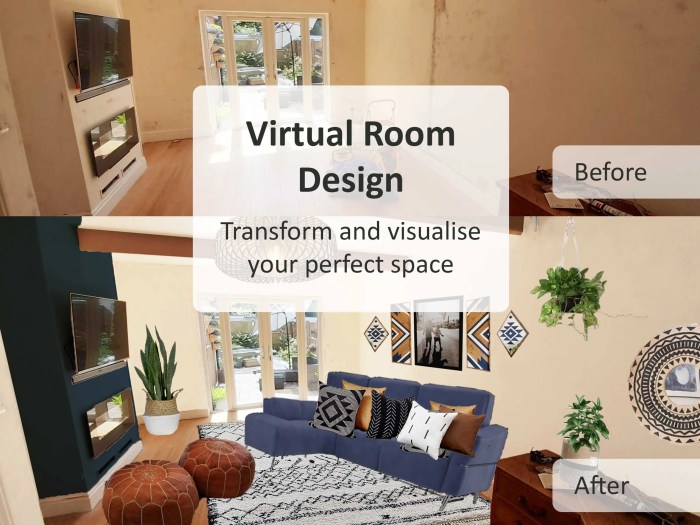
Virtual interior design services have evolved significantly over time, thanks to advancements in technology and communication tools. In the past, designers would create physical mood boards and sketches to present their ideas to clients. However, with the rise of virtual design software and 3D rendering capabilities, designers can now create realistic visualizations of their designs, allowing clients to better visualize the final result.
Virtual interior design services offer a range of features that set them apart from traditional interior design services. These features leverage technology to provide innovative solutions for designing and decorating spaces remotely.
Virtual interior design services often utilize interactive design platforms that allow clients to visualize different design options for their space. These platforms enable real-time collaboration between designers and clients, making the design process more engaging and efficient.
Virtual interior design services make use of VR and AR tools to create immersive experiences for clients. These technologies allow clients to virtually walk through their designed space, giving them a realistic sense of the final outcome before any physical changes are made.
Designers in virtual interior design services use advanced 3D modeling software to create detailed renderings of spaces. This technology enables clients to see accurate representations of the proposed designs, including furniture placement, color schemes, and lighting options.
Virtual interior design services streamline communication through online platforms, making it easy for clients to share ideas, provide feedback, and make decisions remotely. This efficient communication process ensures that the design project progresses smoothly and according to the client’s preferences.
Clients can benefit from virtual interior design services by receiving personalized product recommendations and shopping options directly through the platform. Designers can suggest furniture, decor items, and materials that align with the design vision, making it convenient for clients to purchase everything they need for their space.
Virtual interior design services typically follow a series of steps to ensure that clients receive personalized and aesthetically pleasing designs for their spaces. Clients can easily communicate their preferences and requirements to virtual interior designers through various online platforms. Virtual interior designers then utilize this information to create mood boards and design proposals that align with the client’s vision.
During the initial consultation, clients discuss their design preferences, budget constraints, and any specific requirements they have for the space. Virtual interior designers gather information about the client’s style, color preferences, and desired layout to create a personalized design plan.
Clients can communicate with virtual interior designers through video calls, emails, and messaging platforms to provide feedback and ask questions about the design process. This virtual collaboration ensures that clients remain involved in every step of the design process.
Based on the information gathered from the client, virtual interior designers create mood boards that showcase different design elements such as color schemes, furniture pieces, and decor options. These mood boards help clients visualize the proposed design concept before moving forward with the final design.
After presenting the initial design proposals, clients have the opportunity to provide feedback and request revisions to ensure that the final design meets their expectations. Virtual interior designers work closely with clients to make necessary adjustments and finalize the design plan for implementation.
Collaboration and communication are key elements in virtual interior design services, allowing designers to work effectively with clients remotely. By leveraging various communication tools, virtual interior designers can ensure a seamless workflow and successful project outcomes.
Virtual meetings, video calls, and messaging platforms play a crucial role in facilitating communication between clients and virtual interior designers. These tools allow for real-time discussions, feedback sharing, and visualization of design concepts. Video calls, in particular, enable face-to-face interactions, helping to build trust and strengthen the client-designer relationship.
Effective communication is essential for the success of virtual interior design projects. Here are some tips to enhance communication between clients and virtual interior designers:
Virtual interior design services offer a unique opportunity for clients to customize and personalize their living spaces according to their individual preferences and needs. This level of tailored design ensures that each client receives a space that truly reflects their personality and lifestyle.
Virtual interior designers have the ability to create designs that are specifically crafted to meet the unique needs of each client. For example, if a client has a preference for a certain color scheme or style, the designer can incorporate these elements into the design to create a space that resonates with the client’s taste.
Additionally, designers can take into account specific requirements such as storage needs, functionality, and spatial constraints to create a design that is both aesthetically pleasing and practical.
Customization and personalization are key components of virtual interior design services as they allow clients to feel a sense of ownership over their living spaces. By working closely with the designer to incorporate their preferences and needs, clients can ensure that the final design reflects their individuality and enhances their quality of life.
This level of customization not only creates a unique and personalized space but also ensures that the client is satisfied with the end result.
Virtual interior design services offer a cost-effective solution for clients looking to transform their spaces without breaking the bank. By leveraging technology and online platforms, clients can efficiently manage their budgets and make the most of their design projects.
In conclusion, virtual interior design services bridge the gap between imagination and reality, providing a platform where dreams are shaped into tangible, awe-inspiring designs. Embracing this blend of artistry and technology opens doors to endless possibilities in creating spaces that truly reflect individual style and personality.
How do virtual interior design services differ from traditional services?
Virtual interior design services leverage technology to provide remote design solutions, offering convenience and accessibility compared to traditional in-person services.
Can clients customize their designs when using virtual interior design services?
Absolutely! Virtual interior designers tailor designs to meet individual client preferences, ensuring a personalized touch in every project.
What tools and technologies are commonly used in virtual interior design services?
Virtual interior design services often utilize 3D rendering software, virtual reality tools, and digital mood board platforms to bring designs to life virtually.