In the realm of business operations, the significance of consistent maintenance cannot be overstated. It serves as the backbone for long-term success, ensuring seamless functioning and efficiency. Neglecting maintenance can lead to detrimental consequences that may jeopardize the sustainability of a business.
Let’s delve into the world of business maintenance and explore its indispensable value.
As we navigate through the different facets of business maintenance, we uncover the key practices and strategies that can safeguard businesses from costly repairs and operational downtime.

Regular business maintenance is crucial for long-term success as it helps in ensuring the smooth functioning of operations, preserving the value of assets, and minimizing the risk of unexpected breakdowns. Neglecting maintenance can have detrimental effects on a business, such as decreased productivity, increased downtime, loss of revenue, and potential safety hazards for employees and customers.
Proper maintenance practices can prevent costly repairs by addressing minor issues before they escalate into major problems. For example, regular inspections of equipment can help identify and fix worn-out parts or components, avoiding the need for expensive replacements down the line.
By investing in preventive maintenance, businesses can extend the lifespan of their assets and reduce the overall maintenance costs in the long run.
Maintenance also plays a crucial role in minimizing downtime, which can significantly impact a business’s bottom line. Unplanned downtime due to equipment failures or malfunctions can lead to delays in production, missed deadlines, and dissatisfied customers. Implementing a proactive maintenance schedule can help in identifying potential issues early on and scheduling maintenance tasks during off-peak hours to minimize disruptions to operations.
Regular maintenance not only helps in preserving the efficiency and reliability of equipment but also ensures the safety of employees and compliance with industry regulations. For instance, maintaining fire safety systems, HVAC systems, and electrical systems can prevent accidents, injuries, and costly penalties for non-compliance.
By prioritizing maintenance, businesses can create a safe working environment and avoid legal liabilities.
Business maintenance involves various categories of tasks to ensure the smooth operation of different types of businesses. It is crucial to distinguish between preventive maintenance and corrective maintenance to address issues efficiently and effectively.
Preventive maintenance focuses on proactively identifying and addressing potential issues before they escalate, reducing downtime and costly repairs. On the other hand, corrective maintenance involves fixing problems that have already occurred to restore normal operations.
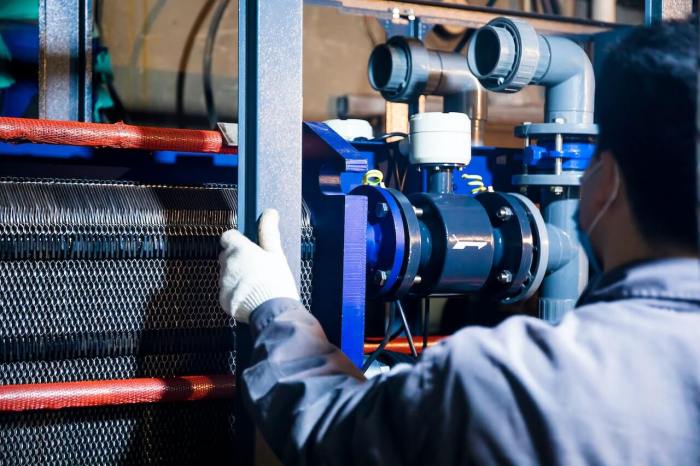
Maintaining a structured maintenance schedule is crucial for the smooth operation of a small business. It helps in preventing unexpected breakdowns, reducing repair costs, and ensuring that all equipment and systems are in optimal condition. By organizing tasks based on priority and frequency, businesses can effectively manage their resources and time.
Outsourcing maintenance services involves hiring external contractors or companies to handle the upkeep and repair of equipment and facilities, while in-house maintenance is performed by internal staff within the organization. Both options have their own set of advantages and disadvantages that need to be carefully considered.
Outsourcing Maintenance:
Outsourcing Maintenance:
As we conclude our exploration of business maintenance, it becomes evident that a well-structured maintenance plan is not just a necessity but a strategic advantage. By prioritizing maintenance tasks and adhering to a consistent schedule, businesses can fortify their operations and pave the way for sustained growth and success.
Why is regular maintenance crucial for businesses?
Regular maintenance is essential as it helps identify and address potential issues before they escalate, ensuring smooth operations and minimizing costly disruptions.
What are the benefits of having a structured maintenance plan?
A structured maintenance plan allows businesses to prioritize tasks, maintain equipment reliability, and extend the lifespan of assets, ultimately saving time and money in the long run.
When should businesses consider outsourcing maintenance services?
Businesses should consider outsourcing maintenance services when they lack the expertise or resources internally, need specialized skills for certain tasks, or aim to reduce costs associated with in-house maintenance.