Embarking on a journey to enhance your home with vinyl siding installation contractors opens up a world of possibilities. From transforming the look of your house to ensuring quality workmanship, these professionals play a crucial role in home improvement projects.
Let's delve into the realm of vinyl siding installation contractors to discover the ins and outs of this intricate process.
Overview of Vinyl Siding Installation Contractors
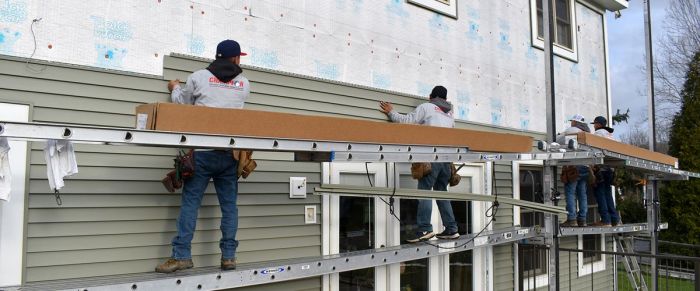
When it comes to home improvement projects, vinyl siding installation contractors play a crucial role in ensuring the exterior of a house is both aesthetically pleasing and well-protected. These professionals are skilled in the installation, repair, and maintenance of vinyl siding, providing homeowners with a durable and low-maintenance solution for their homes.
Benefits of Hiring Professional Contractors
- Expertise: Professional contractors have the necessary skills and experience to ensure the vinyl siding is installed correctly, minimizing the risk of future issues.
- Time-saving: Hiring contractors saves homeowners time and effort compared to DIY installation, allowing them to focus on other tasks.
- Quality workmanship: Professional contractors can deliver high-quality results, enhancing the curb appeal and value of the home.
Common Tasks and Responsibilities
- Initial assessment: Contractors assess the existing siding and provide recommendations for the type of vinyl siding that best suits the home.
- Preparation: This includes measuring the area, ordering materials, and preparing the site for installation.
- Installation: Contractors expertly install the vinyl siding, ensuring proper alignment, secure attachment, and weatherproofing.
- Finishing touches: Contractors complete the project by adding finishing touches such as trim work, caulking, and cleanup.
Qualifications and Certifications
When hiring a vinyl siding installation contractor, it is crucial to consider their qualifications and certifications to ensure quality work and adherence to industry standards.
Essential Qualifications
- Experience: Look for contractors with a proven track record of successful vinyl siding installations.
- Knowledge: Contractors should have a deep understanding of vinyl siding materials, installation techniques, and building codes.
- Skills: They should possess the necessary skills to handle tools and equipment safely and effectively.
Importance of Certifications and Licenses
Certifications and licenses play a vital role in the contracting industry as they signify that a contractor has met certain standards of competency and professionalism. They also provide assurance to customers that the contractor has the required knowledge and skills to perform the job correctly.
Ensuring Quality Workmanship and Safety Standards
Certifications ensure that contractors are up to date with the latest industry trends and best practices. They also indicate that the contractor is committed to delivering high-quality workmanship and adhering to safety standards. By hiring a certified vinyl siding installation contractor, customers can have peace of mind knowing that their project is in good hands.
Vinyl Siding Installation Process
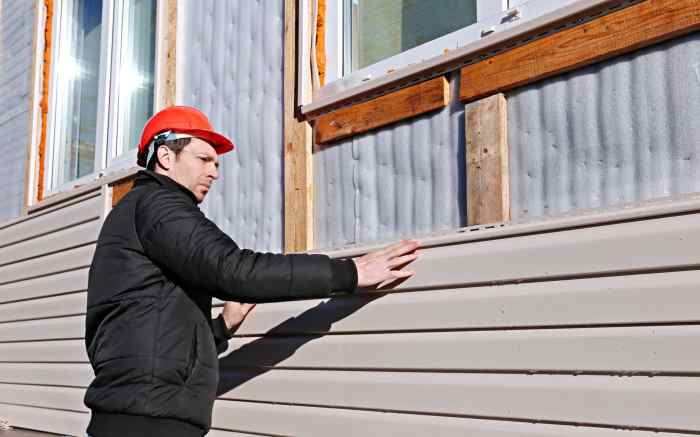
When it comes to vinyl siding installation, contractors follow a specific step-by-step process to ensure a successful outcome. Proper preparation work is crucial before installing the siding, and best practices are employed when cutting, fitting, and securing the vinyl siding panels.
Preparation Work
- Inspect the exterior of the property to identify any repairs needed before installing the siding.
- Clean the surface thoroughly to remove dirt, debris, and any existing paint or siding.
- Ensure proper insulation and moisture barriers are in place to protect the structure.
Cutting, Fitting, and Securing Vinyl Siding Panels
- Measure and mark the panels accurately before cutting to ensure a precise fit.
- Use specialized tools such as a vinyl siding cutter or utility knife to make clean cuts.
- Secure the panels to the exterior using nails or screws, making sure to leave room for expansion and contraction.
- Overlap the panels correctly to prevent water infiltration and maintain a seamless appearance.
Material Selection and Recommendations
When it comes to choosing the right vinyl siding material for your home, there are several factors to consider. From durability to aesthetic appeal, each type of vinyl siding offers unique features that can impact the overall look and performance of your property.
Types of Vinyl Siding Materials
- Traditional Vinyl Siding: This is the most common type of vinyl siding, known for its affordability and ease of installation. It comes in a wide range of colors and styles to suit different architectural designs.
- Insulated Vinyl Siding: This type of vinyl siding has a layer of foam insulation attached to the back, providing additional energy efficiency and noise reduction benefits.
- Vertical Vinyl Siding: Vertical siding offers a modern twist on traditional horizontal siding, creating a unique visual appeal for contemporary homes.
Durability and Aesthetic Features
- Traditional Vinyl Siding: While traditional vinyl siding is durable and low-maintenance, it may be prone to fading over time due to exposure to sunlight.
- Insulated Vinyl Siding: Insulated vinyl siding offers enhanced durability and energy efficiency, making it a popular choice for homeowners looking to improve insulation properties.
- Vertical Vinyl Siding: Vertical siding provides a sleek and modern aesthetic to homes, offering a unique design element that can enhance curb appeal.
Recommendations for Different Climates
- For colder climates: Insulated vinyl siding is recommended to improve energy efficiency and help maintain a comfortable indoor temperature.
- For warmer climates: Traditional vinyl siding may be a suitable option, as it is durable and resistant to heat and humidity.
- For coastal areas: Consider vertical vinyl siding, which can help protect your home against strong winds and salt exposure.
Cost Estimation and Budgeting
When it comes to vinyl siding installation projects, understanding the cost estimation and budgeting process is crucial to ensure a successful outcome. Vinyl siding installation contractors typically estimate project costs based on various factors such as the size of the project, the complexity of the installation, material costs, labor costs, and any additional services required.
Factors Influencing Cost
- The size of the project: Larger projects will naturally cost more due to the increased amount of materials and labor needed.
- Material selection: The type and quality of vinyl siding chosen will significantly impact the overall cost of the project.
- Additional services: Any extra services such as removal of old siding, trim work, or insulation installation will add to the total cost.
- Location: Geographic location can affect labor costs and material prices, influencing the overall project cost.
Tips for Budgeting
- Get multiple quotes: Reach out to several vinyl siding installation contractors to compare prices and services offered.
- Plan ahead: Proper planning and scheduling can help you avoid rush fees and unexpected expenses.
- Consider long-term savings: While high-quality materials may have a higher upfront cost, they can save you money on maintenance and repairs in the long run.
- Set aside a contingency fund: It's always a good idea to have a buffer in your budget for any unforeseen issues or changes during the project.
Conclusion
As we conclude our exploration of vinyl siding installation contractors, it becomes evident that their expertise is indispensable in achieving a seamless and visually appealing exterior for your home. With a blend of skill, precision, and knowledge, these contractors elevate the aesthetics and functionality of your property, leaving a lasting impression.
Top FAQs
What qualifications should vinyl siding installation contractors have?
Vinyl siding installation contractors should ideally possess a combination of experience, relevant licenses, insurance, and a solid reputation for quality work.
How do contractors estimate project costs for vinyl siding installation?
Contractors typically consider factors like the size of the project, materials needed, labor costs, and any additional services required to provide an accurate cost estimate.
What are the best practices for cutting and fitting vinyl siding panels?
To ensure a precise fit, contractors use specialized tools and techniques to cut and secure vinyl siding panels seamlessly, avoiding gaps or misalignments.