Step into the realm of smart home interior design where technology meets aesthetics in perfect harmony. Discover how intelligent devices can transform your living space into a modern sanctuary of style and functionality.
Explore the seamless integration of cutting-edge technology with timeless design principles, creating a home that is both innovative and inviting.
Introduction to Smart Home Interior Design
Smart home interior design refers to the incorporation of technology into the design and functionality of a living space. This innovative approach combines aesthetics with convenience, creating a modern and efficient environment.
Integrating technology into interior design is crucial in today’s digital age as it enhances the functionality and comfort of a home. From automated lighting systems to smart thermostats, these devices not only improve the overall ambiance but also provide practical benefits such as energy efficiency and convenience.
Examples of Smart Home Devices
- Smart Lighting: Devices like Philips Hue allow users to control the color and intensity of lights through a smartphone app, creating customizable lighting schemes.
- Smart Thermostats: Products like Nest Learning Thermostat learn user preferences and adjust temperature settings automatically, optimizing energy usage.
- Voice Assistants: Virtual assistants like Amazon Alexa or Google Assistant can be integrated into smart home systems to control various devices with voice commands, adding a touch of futuristic convenience.
- Smart Security Systems: Cameras, motion sensors, and smart locks provide enhanced security features, allowing homeowners to monitor their property remotely.
Integrating Technology in Smart Home Interior Design
As technology continues to advance, integrating smart devices into interior design has become a popular trend. It allows for a seamless blend of functionality and aesthetics, creating a modern and efficient living space.
Comparing Traditional Interior Design with Smart Home Interior Design
Traditional interior design focuses on decorative elements and furniture placement to create a visually appealing space. On the other hand, smart home interior design involves incorporating technology such as smart lighting, thermostats, and security systems to enhance the overall functionality of the space.
- Smart devices can be discreetly integrated into the design, minimizing clutter and maintaining a clean aesthetic.
- Traditional interior design may rely more on manual controls and standalone devices, while smart home interior design offers automation and remote access for added convenience.
- Smart home interior design allows for customizable settings that cater to individual preferences, creating a personalized and efficient living environment.
Tips for Selecting Smart Devices that Complement Interior Design Aesthetics
When choosing smart devices for your home, it’s essential to consider how they will fit into the overall design scheme. Here are some tips to help you select devices that complement your interior design:
- Choose smart devices with sleek and modern designs that blend seamlessly with your existing decor.
- Consider the color palette of your space and opt for devices that either match or provide a complementary contrast.
- Look for smart devices that offer customization options, allowing you to adjust settings to suit the ambiance of different rooms.
- Explore smart devices that offer multi-functionality, serving both practical purposes and enhancing the aesthetic appeal of your home.
Creating a Functional and Stylish Smart Home
When designing a smart home, it is essential to find a balance between functionality and style. Integrating technology seamlessly into the interior design can enhance the overall aesthetic appeal while providing convenience and efficiency.
Blending Smart Devices in Interior Design
One innovative way to hide or blend smart devices in interior design is to incorporate them into multi-functional furniture pieces. For example, smart speakers can be disguised as decorative objects or integrated into shelves to maintain a cohesive look in the space.
Impact of Smart Lighting and Climate Control
Smart lighting and climate control systems have a significant impact on the ambiance of a space. By adjusting lighting levels and temperature settings according to preferences or schedules, homeowners can create different moods and enhance comfort levels throughout the day.
Enhancing Daily Living Experiences with Automation
- Automated window blinds that adjust based on the time of day or sunlight levels can improve energy efficiency and create a comfortable living environment.
- Smart thermostats that learn user habits and adjust temperature settings accordingly can save energy and provide personalized comfort.
- Voice-controlled assistants can streamline daily tasks, such as setting reminders, managing schedules, or controlling smart home devices with simple voice commands.
Sustainable Design Practices in Smart Homes
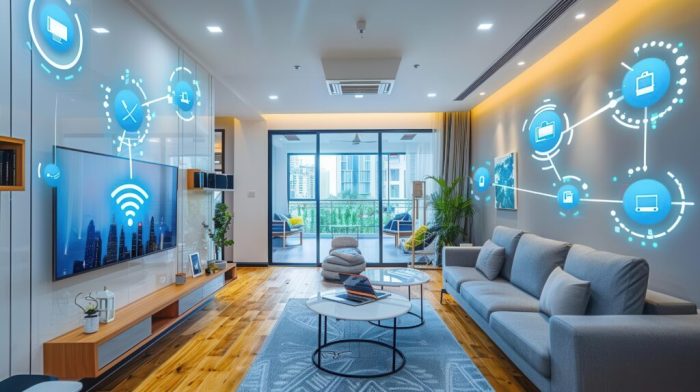
When it comes to smart home interior design, incorporating sustainable practices and materials can have a significant impact on reducing environmental footprint. By choosing eco-friendly options, you not only contribute to a healthier planet but also create a more efficient and stylish living space.
Utilizing Sustainable Materials
One of the key aspects of sustainable design in smart homes is the use of eco-friendly materials. Opt for renewable resources such as bamboo flooring, reclaimed wood furniture, or recycled glass countertops. These materials not only add a unique touch to your home but also help reduce waste and carbon footprint.
Energy-Efficient Smart Devices
Integrating energy-efficient smart devices into your home can make a big difference in reducing energy consumption. Choose smart thermostats, LED lighting, and energy-efficient appliances to lower your electricity usage and decrease your environmental impact. These devices not only save energy but also help you cut down on utility bills in the long run.
Promoting Eco-Friendly Living
Creating a smart home that promotes eco-friendly living goes beyond just using sustainable materials and energy-efficient devices. Incorporate smart sensors to monitor water usage, implement a recycling system, and utilize natural light to reduce the need for artificial lighting. By making these conscious choices, you can create a space that is not only visually appealing but also environmentally conscious.
Summary
In conclusion, smart home interior design offers a glimpse into the future of living spaces, where sustainability, style, and convenience converge. Elevate your home with these transformative ideas and embrace a new era of modern living.
Answers to Common Questions
How can smart home devices enhance interior design?
Smart home devices can seamlessly blend into the design of your home, adding both functionality and aesthetic appeal.
What are some innovative ways to hide smart devices in interior design?
You can incorporate smart devices into furniture, walls, or even disguise them as decorative elements to maintain a seamless look.
Why is sustainable design important in smart homes?
Sustainable design in smart homes helps reduce environmental impact and promotes eco-friendly living practices.